
Canned Food Suppliers & Manufacturers in India (Products)
 Verified
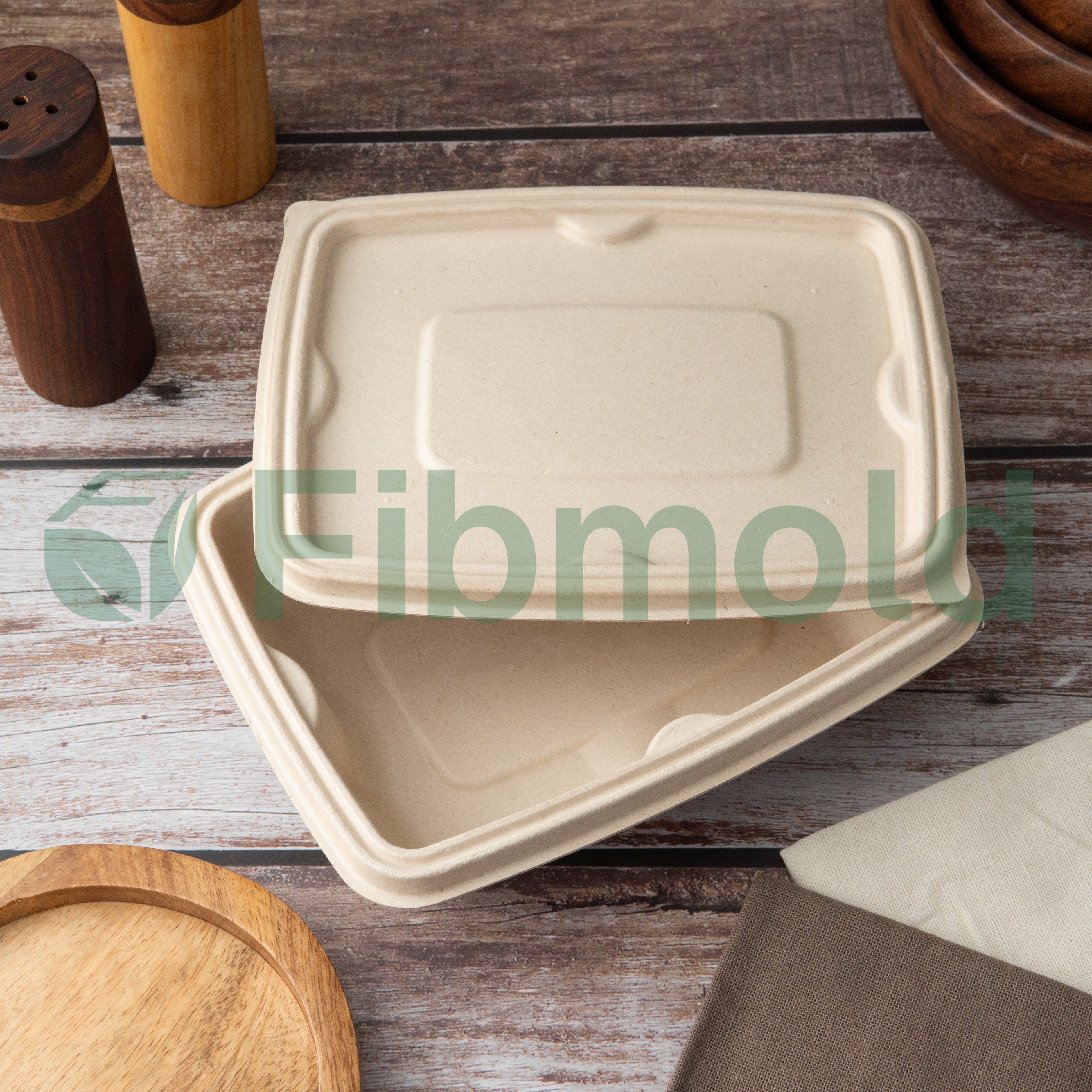
Sustainable 500 ml Rectangular Food Container with Lid
Ahmedabad, India
 Verified
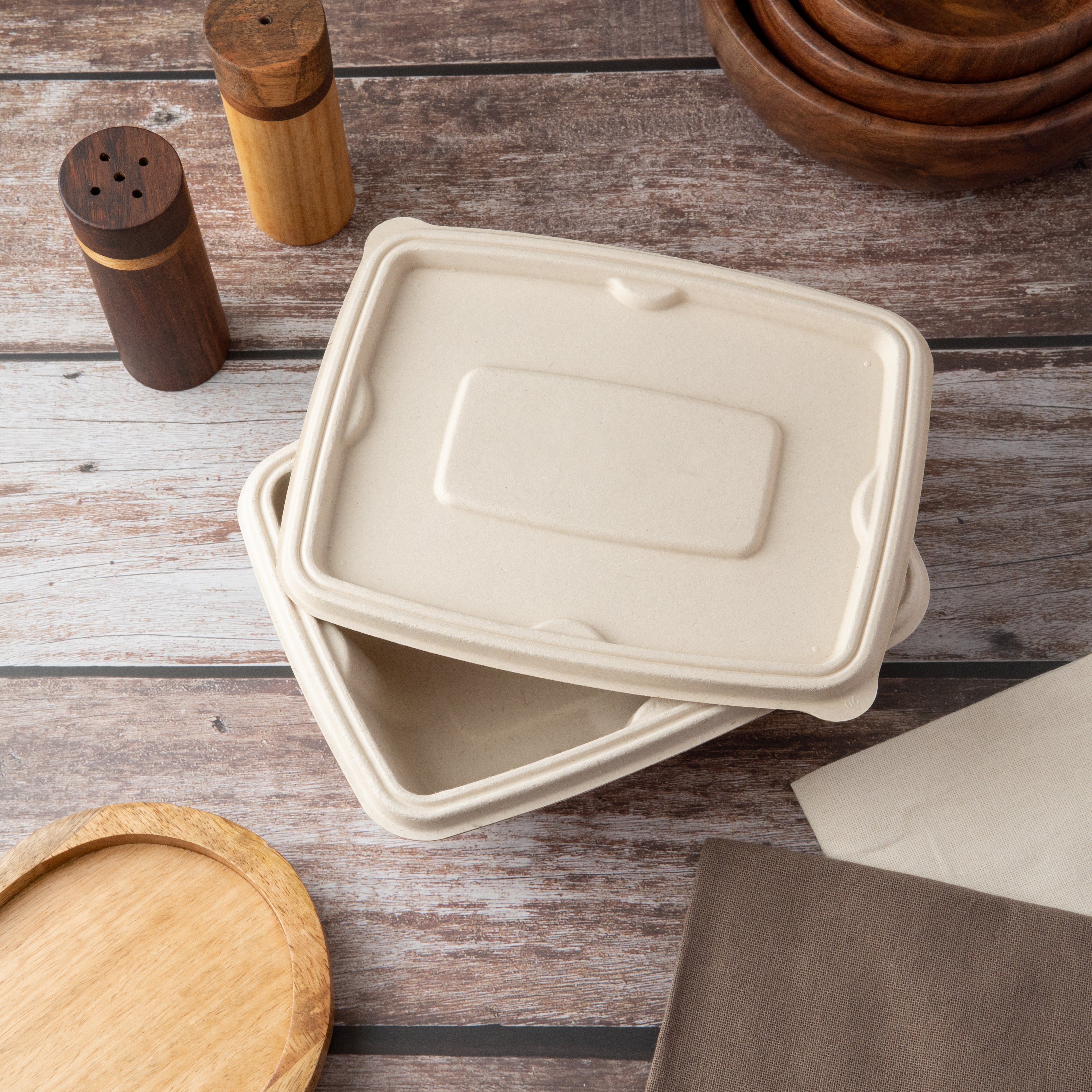
Sustainable 750 ml Rectangular Food Container with Lid
Ahmedabad, India
 Verified
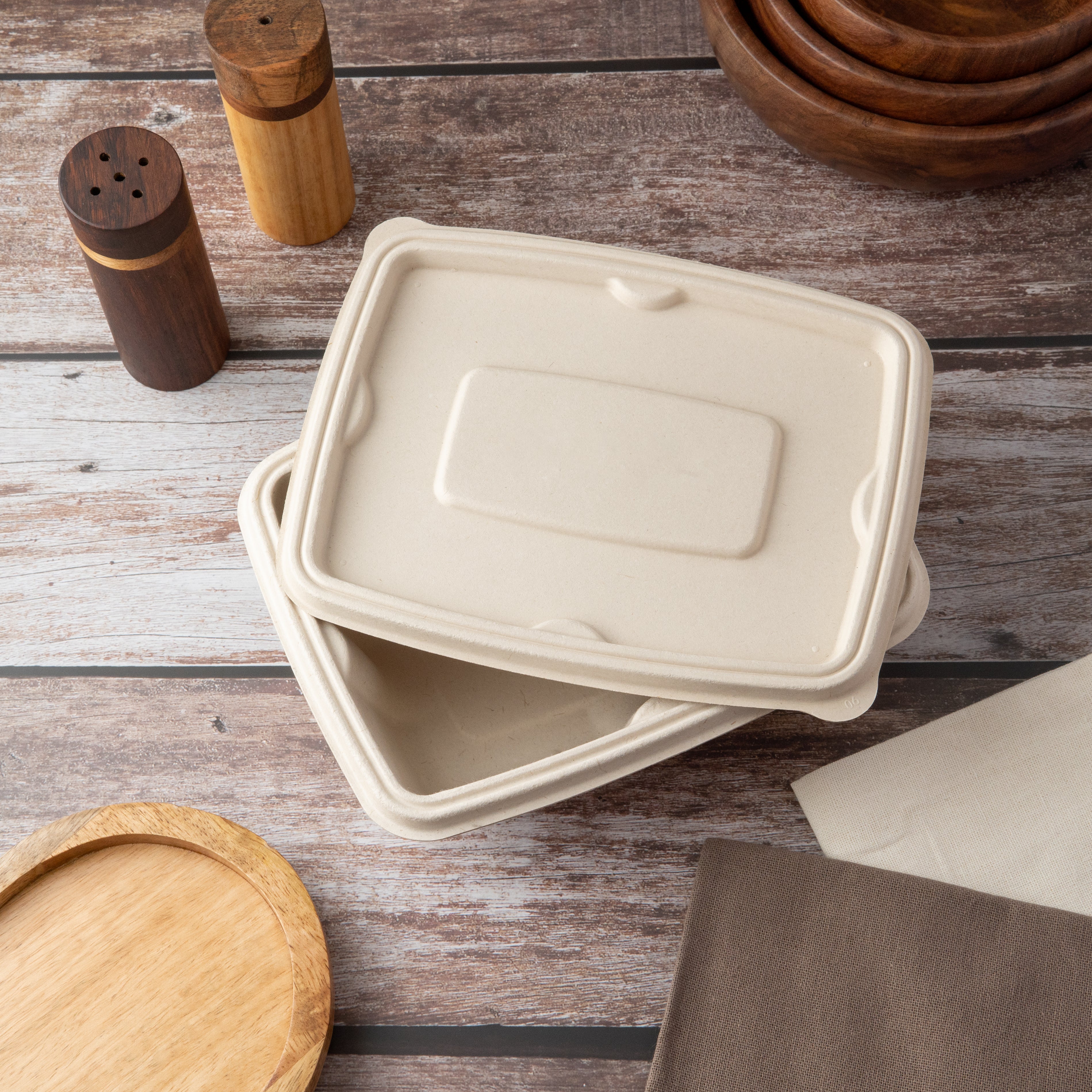
Eco-Friendly Lid 1000 ml Rectangular Food Container
Ahmedabad, India
Canned Food
Your gateway to the global agricultural supply chain.
Canned Food includes a wide range of preserved vegetables, canned fruits, canned beans, canned meat, canned seafood, ready-to-eat meals, soups, sauces, gravies, purees, broths, and various processed food items packed in sealed, sterilized containers to ensure long shelf-life and convenience. Canned food is widely used in households, hotels, restaurants, supermarkets, institutional kitchens, catering companies, defense canteens, travel services, relief supply programs, and export markets. Buyers prefer reliable canned food products available at competitive price, cost, rate, or charges, depending on brand, quantity, ingredients, shelf-life, and packaging quality.
────────────────────────────────────────
Canned food is processed using heat sterilization, vacuum sealing, or retort processing to preserve flavor, texture, and nutrition. Suppliers offer canned food in various formats such as tin cans, aluminium cans, glass jars, retort pouches, and easy-open lids for consumer convenience. Canned food includes items like sweet corn, peas, mushrooms, baked beans, chickpeas, kidney beans, tomato puree, tomato paste, diced tomatoes, canned pineapple, canned peaches, canned pears, tuna, sardines, mackerel, chicken chunks, beef cubes, ready-to-eat curries, pasta in sauce, and many other preserved dishes. Buyers evaluate canned food suppliers based on ingredient quality, processing standards, packaging integrity, and consistency in taste across batches.
Buyers evaluate canned food suppliers based on:
-
Freshness and quality of ingredients used
-
Sterilization and preservation method
-
Packaging durability and leak-proof sealing
-
Shelf-life and expiry date reliability
-
Flavor consistency and texture retention
-
Brand reputation and certifications
-
Bulk supply capability for horeca and retail
-
Competitive wholesale pricing and contract rates
-
Moisture, salt, or sugar levels
-
Damage-free delivery and easy storage
These factors help buyers maintain quality expectations and minimize operational cost.
────────────────────────────────────────
Canned food is used in multiple sectors such as:
-
Hotels, restaurants, and cafes
-
Corporate cafeterias and institutional kitchens
-
Schools, colleges, and hostels
-
Supermarkets and grocery retail chains
-
Catering and event companies
-
Travel industry (airlines, cruises, trains)
-
Defense, army ration stores, and emergency relief programs
-
Household consumption for easy cooking
-
Food processing and ready meal manufacturers
Different buyers require specific can sizes, flavors, and product types to match meal plans and customer preferences.
────────────────────────────────────────
Buyers prefer Canned Food because it offers:
-
Ready-to-use convenience
-
Long shelf-life without refrigeration
-
Hygienic, sealed packaging for safety
-
Consistent flavor and portion control
-
Minimal preparation and cooking time
-
Availability of seasonal foods year-round
-
Wide range of vegetables, fruits, meats, and meals
-
Reliable supply for bulk demand
Suppliers emphasize these benefits to appeal to commercial kitchens, retailers, and foodservice buyers.
────────────────────────────────────────
Canned vegetables such as sweet corn, green peas, mushrooms, carrots, beans, and mixed vegetables are essential in hotels, cafes, and bakeries. These products reduce preparation time and provide consistent texture. Buyers compare salt levels, cut sizes, and packaging rates.
────────────────────────────────────────
Canned fruits such as pineapple slices, peach halves, fruit cocktail, cherries, pears, and lychee are used in desserts, bakery products, fruit salads, beverages, and ready meals. Buyers evaluate syrup concentration, sweetness, firmness, and can quality.
────────────────────────────────────────
Canned beans include baked beans, chickpeas, kidney beans, black beans, and mixed beans. These are widely used in salads, wraps, soups, curries, and Mexican dishes. Buyers check tenderness, brine clarity, and soaking behavior.
────────────────────────────────────────
Canned seafood such as tuna, sardines, mackerel, salmon, and anchovies is highly demanded by hotels, restaurants, export markets, and ready meal producers. Buyers consider oil or brine type, fish size, freshness retention, and packaging strength.
────────────────────────────────────────
Canned meat items include chicken chunks, beef cubes, sausages, ham, and ready-to-eat curries. These are used in sandwiches, salads, wraps, and meal kits. Buyers assess meat quality, texture, flavor, and food safety compliance.
────────────────────────────────────────
Ready-to-eat canned meals include curries, pasta meals, soups, gravies, stews, dal makhani, rajma, chana masala, biryani, and international meals packed for instant consumption. Bulk buyers examine recipe authenticity, spice levels, consistency, and packaging cost.
────────────────────────────────────────
Suppliers typically offer canned foods in:
-
Easy-open tin cans
-
Aluminium cans
-
Glass jars
-
Retort pouches for lightweight packaging
-
Bulk cartons for horeca and retail chains
These formats help buyers choose cost-effective and convenient options for storage and transportation.
────────────────────────────────────────
Food safety and compliance standards are essential for canned food. Buyers look for:
-
FSSAI certification
-
HACCP and ISO food safety compliance
-
Lab testing for preservatives and microbial safety
-
Proper ingredient labeling and allergen information
-
Traceability and batch numbering
These checks ensure safe consumption and help businesses meet regulatory norms.
────────────────────────────────────────
Storage guidelines for canned foods include:
-
Keeping cans in cool, dry environments
-
Avoiding dented or swollen cans
-
Using opened cans immediately or refrigerating contents
-
Following FIFO (first in, first out) for inventory
Proper storage helps maintain taste, reduce spoilage, and avoid unnecessary cost burdens for buyers.
────────────────────────────────────────
Canned foods are also essential in emergency relief operations, remote locations, military camps, and travel industries due to their long shelf-life and minimal storage requirements. Buyers prefer products that offer balanced nutrition, easy opening, and fast-serving convenience.
────────────────────────────────────────
Market demand for canned foods is stable year-round, with increased demand during festive seasons, travel periods, and emergency stocking cycles. Suppliers offer promotional rates, bulk discounts, and combo packs for retailers and food service providers.
────────────────────────────────────────
Sustainability trends in canned foods include the use of recyclable cans, reduced-sodium recipes, natural preservatives, and clean-label formulations. Many buyers are shifting toward environmentally friendly and health-conscious canned food options.
────────────────────────────────────────
Overall, Canned Food is a versatile and high-demand product category used across domestic, commercial, and institutional food supply chains. With its long shelf-life, ready-to-eat convenience, and wide product variety, canned food continues to be essential for fast-paced kitchens, large-scale catering, grocery retailing, and export markets. Buyers select suppliers who offer consistent quality, hygienic processing, competitive rates, strong packaging, and reliable logistics. As global consumption trends evolve towards convenience and packaged foods, the canned food category remains an integral part of the food and beverage industry.