
Graphite Suppliers & Manufacturers in India (Products)
 Verified
Graphite
Your gateway to the global agricultural supply chain.
Graphite is an essential industrial carbon material widely used across mechanical, electrical, metallurgical, chemical, manufacturing, and engineering sectors due to its exceptional lubricating properties, high-temperature resistance, conductivity, and durability. Available in multiple grades such as natural graphite, synthetic graphite, amorphous graphite, flake graphite, expandable graphite, graphite powder, graphite blocks, graphite plates, graphite electrodes, and custom-processed graphite forms, this versatile material supports a broad range of applications. Buyers such as manufacturers, foundries, steel plants, battery producers, chemical companies, electrical component makers, automotive industries, mold makers, engineering workshops, and lubrication product suppliers look for high-quality graphite available at competitive price, cost, rate, or charges depending on grade, purity, carbon content, and required packaging.
────────────────────────────────────────
Graphite is known for its unique characteristics like excellent thermal resistance, high electrical conductivity, low friction, high carbon purity, and chemical inertness, making it suitable for demanding industrial environments. Natural graphite is mined from deposits and then processed for industrial use, while synthetic graphite is produced in high-temperature furnaces for applications requiring extreme purity and performance. Buyers evaluate graphite based on multiple factors such as carbon percentage, ash level, particle size, flake structure, hardness, density, electrical resistance, and compatibility with their specific industrial processes.
Important selection parameters buyers consider include:
-
Purity and carbon content
-
Flake size or powder mesh size
-
Thermal conductivity
-
Electrical conductivity
-
Lubricating behavior
-
Oxidation resistance
-
Packaging, storage condition, and transport safety
-
Bulk purchase cost and rate benefits
-
Application-based grade selection
These factors help ensure that the chosen graphite performs efficiently in the required industrial applications.
────────────────────────────────────────
Graphite is widely used in:
-
Steel and foundry industries
-
Battery manufacturing (Li-ion anode materials)
-
Mechanical lubrication systems
-
Pencil and writing instruments
-
Refractory materials and crucibles
-
Electrical contacts and carbon brushes
-
Heat exchangers and high-temperature systems
-
Chemical processing equipment
-
Forging dies and molding components
-
Automobile parts such as gaskets and seals
Its broad applications make it a consistently demanded industrial material.
────────────────────────────────────────
Buyers prefer graphite because it offers:
-
High heat tolerance up to extreme temperatures
-
Excellent dry lubrication with minimal friction
-
Strong electrical conductivity for industrial components
-
Chemical resistance in corrosive environments
-
Stable performance under continuous use
-
Long material life
-
Easy machinability for custom shapes
-
Competitive long-term cost benefits
Suppliers highlight these advantages to support industrial customers looking for durable and efficient carbon-based materials.
────────────────────────────────────────
Graphite powder is a widely used form preferred in lubrication, metallurgy, batteries, brake linings, chemical formulations, casting operations, and polishing. Buyers in these sectors evaluate powder based on particle size (mesh), purity, flow properties, and application compatibility. Industries using graphite powder appreciate its ability to withstand heat, reduce wear, and enhance mechanical performance.
────────────────────────────────────────
In the steel and foundry sector, graphite electrodes are essential for electric arc furnaces, steel melting, and other metallurgical processes. These electrodes need extremely high conductivity, purity, and structural strength. Buyers evaluate electrodes for:
-
Grade and density
-
Bulk density
-
Flexural strength
-
Electrical resistivity
-
Thermal expansion
-
Oxidation resistance
High-performance graphite electrodes ensure efficient furnace operation and metal quality.
────────────────────────────────────────
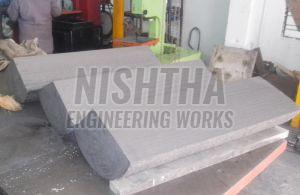
Graphite blocks and plates are used in high-temperature furnaces, casting molds, EDM machining, lubrication plates, and furnace insulation. Industries prefer graphite blocks that offer:
-
Excellent thermal stability
-
High compressive strength
-
Easy machinability
-
Dimensional accuracy
Graphite molds are used for casting gold, silver, aluminum, copper, and various alloys due to their smooth finish and high-temperature durability.
────────────────────────────────────────
Expandable graphite is used in flame retardants, fire-resistant materials, sealing systems, and specialized industrial applications. When exposed to heat, it expands and forms an insulating layer, making it ideal for fire safety materials, polymer processing, and advanced functional applications.
────────────────────────────────────────
In lubrication, graphite is used as a dry lubricant for locks, bearings, gears, slide rails, mechanical joints, and moving parts exposed to high temperatures or poor lubrication conditions. Buyers appreciate graphite lubricants for:
-
Low friction performance
-
Strong temperature resistance
-
Dust-free operation
-
Cost-effective long-term lubrication
Industrial lubrication suppliers often blend graphite with oils, greases, and pastes to enhance performance.
────────────────────────────────────────
Graphite is also used in the battery industry, especially in lithium-ion battery anode manufacturing. Synthetic graphite is preferred for its purity, uniform structure, and high cycle life. Battery manufacturers evaluate graphite based on:
-
Particle size distribution
-
Surface area
-
Density
-
Electrochemical performance
-
Impurity levels
As electric vehicles and energy storage technologies expand, graphite demand in the battery sector continues to grow.
────────────────────────────────────────
In chemical processing equipment, graphite is used in heat exchangers, pumps, gaskets, and seals due to its resistance to acids, alkalis, and corrosive gases. Buyers in these industries prefer graphite products that withstand harsh chemical environments while maintaining mechanical integrity.
────────────────────────────────────────
Graphite’s electrical conductivity makes it valuable in manufacturing carbon brushes, electrical contacts, grounding equipment, and conductor materials. Industries evaluate graphite for:
-
Current carrying capability
-
Wear rate
-
Mechanical strength
-
Thermal performance
These properties ensure long-lasting performance in motors, generators, and industrial equipment.
────────────────────────────────────────
Packaging for graphite varies based on form. It may be supplied in:
-
25 kg bags
-
Plastic-lined sacks
-
Fiber drums
-
Bulk jumbo bags
-
Custom packing for electrodes or blocks
Buyers expect proper labeling, safe handling instructions, and moisture-protected packaging to maintain product quality.
────────────────────────────────────────
Industries purchasing graphite look for suppliers who offer:
-
Consistent quality control
-
Detailed test reports
-
Timely delivery
-
Competitive rates for bulk orders
-
Technical guidance for grade selection
-
Flexible order quantities
Reliable suppliers help industries maintain smooth production cycles without material shortages.
────────────────────────────────────────
Environmental and safety considerations are also important. Graphite is non-toxic, stable, and generally safe to handle. Buyers increasingly prefer graphite sources that follow sustainable mining or eco-friendly production processes.
────────────────────────────────────────
Graphite also supports specialized applications such as:
-
Hot glass handling tools
-
Foundry facing materials
-
Brake pads and clutch facings
-
Pencil lead manufacturing
-
Coatings and conductive paints
-
Welding rods and electrode coatings
Its wide range of uses makes graphite a valuable material for manufacturers across industries.
────────────────────────────────────────
Overall, graphite remains one of the most versatile, high-performance industrial materials due to its unique thermal, electrical, lubrication, and structural properties. Buyers value graphite that offers consistent quality, strong durability, high purity, suitable particle size, and reliable performance at competitive cost or rates. As demand continues to grow in metallurgy, electronics, batteries, lubrication, and manufacturing, graphite will remain a key industrial category supporting countless industrial processes.