
Chocolates Suppliers & Manufacturers in India (Products)
 Verified
 Verified
 Verified
Chocolates
Your gateway to the global agricultural supply chain.
Chocolates include a wide range of chocolate bars, compound chocolates, couverture chocolates, milk chocolates, dark chocolates, white chocolates, flavored chocolates, chocolate chips, chocolate slabs, cocoa-based confectionery items, and ingredients used in bakeries, cafes, dessert shops, ice-cream industries, packaged food manufacturing, gifting businesses, supermarkets, and retail stores. Chocolates are highly demanded for their taste, texture, aroma, smoothness, versatility, and universal appeal across all age groups. Buyers such as wholesalers, retailers, bakeries, hospitality businesses, gifting companies, ice-cream manufacturers, confectionery brands, cloud kitchens, and exporters look for premium-quality chocolates available at competitive price, cost, rate, or charges, depending on cocoa percentage, sweetness level, texture, form, brand, and bulk quantity.
────────────────────────────────────────
Chocolates are available in multiple varieties to satisfy consumer preferences and industrial needs. These varieties include milk chocolate with creamy sweetness, dark chocolate with high cocoa content, white chocolate made from cocoa butter, ruby chocolate with natural berry-like flavor, compound chocolate for industrial production, couverture chocolate for premium baking, and flavored chocolates in mint, orange, almond, caramel, fruit & nut, hazelnut, strawberry, and coffee variants. Buyers evaluate chocolate suppliers based on smoothness, melt quality, shine, cocoa butter content, tempering stability, packaging quality, and brand reliability.
Buyers evaluate chocolate suppliers based on:
-
Cocoa percentage and ingredient quality
-
Texture, melt profile, and snap quality
-
Flavor consistency across batches
-
Packaging design and moisture resistance
-
Availability of bulk slabs and chips
-
Supply capacity for industrial buyers
-
Brand reputation and certifications
-
Shelf-life and storage stability
-
Wholesale pricing and long-term contract rates
-
Damage-free delivery and temperature-controlled logistics
These parameters help buyers ensure premium taste, presentation, and stability across applications.
────────────────────────────────────────
Chocolates are widely used in:
-
Bakeries and pastry shops
-
Ice-cream and dessert manufacturing
-
Hotels, cafes, and restaurants
-
Retail stores and supermarkets
-
Confectionery and snack production
-
Gifting and corporate hamper businesses
-
Catering services and event planners
-
Home baking and personal consumption
-
Export markets seeking premium confectionery items
Each sector demands different formats such as slabs, bars, chips, chunks, curls, and couverture blocks.
────────────────────────────────────────
Buyers prefer Chocolates because they offer:
-
Universal customer appeal across all age groups
-
High versatility in recipes and desserts
-
Strong demand during festive seasons and celebrations
-
Various options from economical to premium ranges
-
Attractive packaging for gifting
-
Long shelf-life when stored correctly
-
Reliable resale value for retailers
Suppliers highlight these benefits to attract horeca buyers, retailers, and manufacturers.
────────────────────────────────────────
Milk chocolate is preferred for its creamy sweet taste and smooth melt. It is widely used in bars, coated snacks, baking, and confectionery. Buyers evaluate fat source, cocoa solids, sweetness level, and packaging rate.
────────────────────────────────────────
Dark chocolate is increasingly popular for its rich cocoa flavor and health appeal. Available in 45%, 55%, 70%, 85%, and even higher cocoa percentages, it is used in gourmet desserts, luxury confectionery, and premium chocolate bars. Buyers analyze bitterness, shine, snap quality, and antioxidant content.
────────────────────────────────────────
White chocolate is used in baking, decoration, and premium desserts. It is valued for its buttery sweetness and ability to blend with flavors like strawberry, mango, matcha, and caramel. Buyers focus on cocoa butter content and melt stability.
────────────────────────────────────────
Compound chocolate is widely used by bakers, confectioners, and FMCG manufacturers. It does not require tempering and is cost-effective. Ideal for coating, molding, and mass production, it is available in dark, milk, and white forms. Buyers evaluate fat quality and price cost.
────────────────────────────────────────
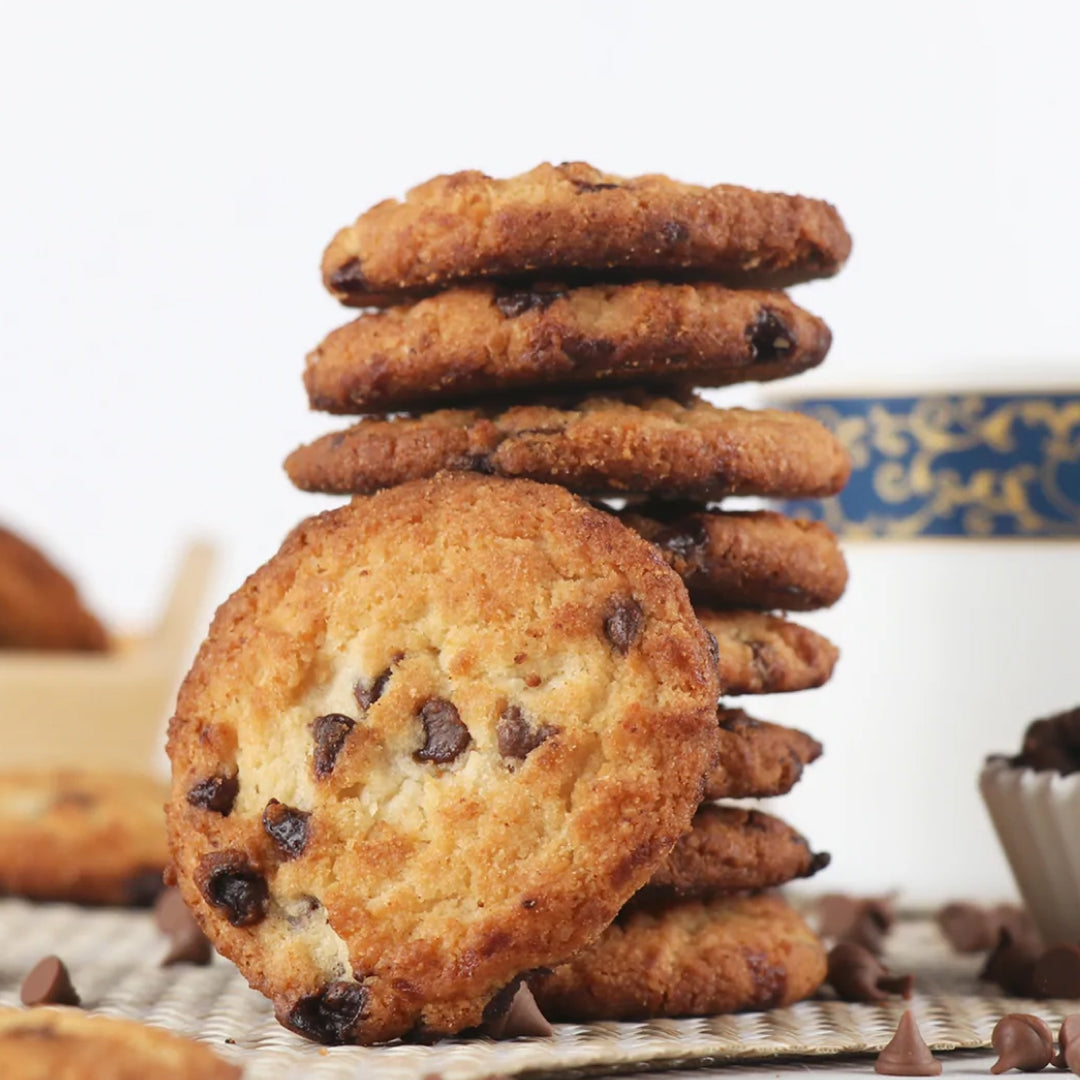
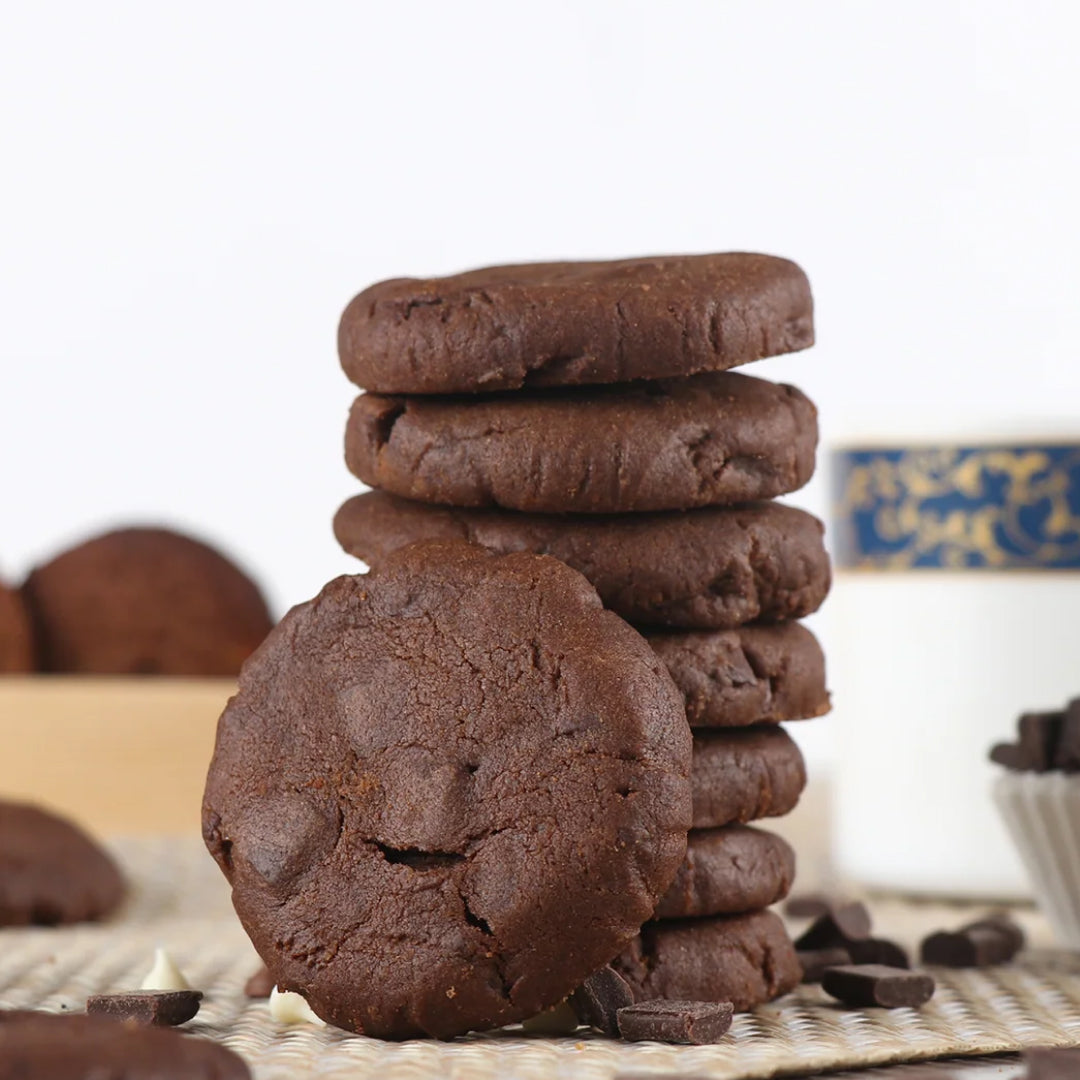
Chocolate chips, chunks, curls, drops, and flakes are used in cookies, cakes, muffins, ice-creams, shakes, pancakes, and desserts. Buyers check heat resistance, size uniformity, and flavor consistency.
────────────────────────────────────────
Suppliers typically offer chocolates in multiple packaging formats:
-
Small consumer packs
-
Gift boxes and premium chocolate assortments
-
Bulk slabs (500g to 5kg)
-
Chocolate chips in 1kg and 25kg bags
-
Couverture blocks in industrial packaging
-
Customized private-label packaging
These options help businesses choose cost-effective and visually appealing packaging solutions.
────────────────────────────────────────
Chocolates are also used in:
-
Festive gifting (Diwali, Christmas, New Year)
-
Wedding hampers and return gifts
-
Corporate events and branding gifts
-
Celebration packs for birthdays and anniversaries
Suppliers offer customization services, attractive gift packaging, and premium assortments to meet festive and corporate needs.
────────────────────────────────────────
Quality and safety certifications important for buyers include:
-
FSSAI certification
-
ISO and HACCP compliance
-
Proper labeling with ingredients and allergen details
-
Batch testing for moisture and purity
Manufacturers ensure hygienic processing, proper tempering, and contamination-free packaging.
────────────────────────────────────────
Storage and handling guidelines for chocolates include:
-
Storing at 18°C–22°C to prevent melting
-
Avoiding direct sunlight and strong odors
-
Maintaining low humidity to avoid sugar bloom
-
Proper stacking to prevent breakage
Correct storage improves product shelf-life and reduces spoilage cost for retailers and horeca users.
────────────────────────────────────────
Chocolates are influenced by seasonal factors such as rising demand during festivals, weddings, winter months, and holidays. Suppliers often offer bulk discounts, combo packs, and promotional rates for wholesalers and retailers during peak season.
────────────────────────────────────────
Sustainability trends in the chocolate industry include:
-
Ethically sourced cocoa
-
Fair trade certifications
-
Eco-friendly packaging
-
Reduced sugar and clean-label options
-
Vegan and plant-based chocolate varieties
These trends attract health-conscious and eco-friendly consumers.
────────────────────────────────────────
Overall, Chocolates form one of the most popular and profitable product categories across retail, horeca, and food manufacturing industries. With endless varieties, flavors, and packaging options, chocolates cater to everyday snacking, luxury gifting, bakery formulations, and large-scale food production. Buyers select suppliers who offer premium taste, consistent quality, competitive rates, reliable delivery, and attractive packaging. As global demand for confectionery and gourmet desserts continues to grow, chocolates remain a high-interest and fast-moving product category in marketplaces.